
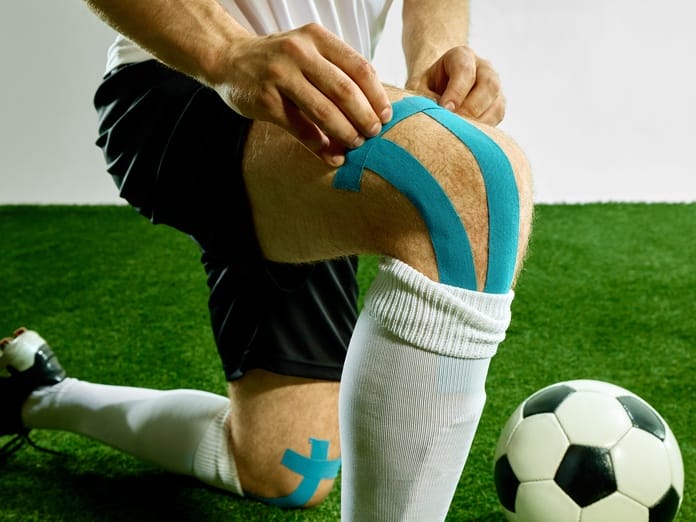
An injury rips you away from the sport you love. Your coaches, medical team, and loved ones most likely focus on helping you regain your physical strength. While this element is important, your mental well-being is a valuable aspect of recovery.
Returning to your sport in great shape requires an approach that prioritizes both your physical and mental health. If you’re currently suffering from an injury, try out these recovery tips that will make you feel whole and ready to play again.
Acknowledge Your Emotions
It’s normal to feel frustrated, angry, or even disconnected from your identity as an athlete when you’re injured. You’re stuck on the sidelines, watching your teammates play. These feelings are valid. Allow yourself the space to process them without judgment.
Suppressing your emotions will slow your recovery. A lack of motivation and a fear of reinjury could manifest, which are the last things you want. Talking to a teammate, coach, or mental health professional can be extremely helpful. They will be a healthy outlet where you can express your feelings and learn how to cope with this physical setback.
Reevaluate Your Goals
Your pre-injury goals may be on hold, but you always have a purpose. Change your mindset and view this injury as a chance to set short-term, recovery-focused objectives.
Instead of aiming to return to competition in a specific time frame, your goal might be to regain a certain range of motion or to complete a rehabilitation exercise without pain. Celebrating these small victories builds momentum and keeps you engaged in the recovery process. It shifts your focus from what you have lost to what you are gaining each day.
Follow a Structured Rehabilitation Plan
Rehabilitation isn’t possible without a detailed plan. A physiotherapist or sports medicine doctor will create a clear roadmap for healing. The tricky part is adhering to this program to the best of your abilities.
Setbacks will happen if you skip exercises or push yourself too hard. Each phase of the plan is there for a reason, from initial rest and inflammation control to gradually rebuilding strength and mobility.
Trust your medical team’s plan. Communicate openly with your loved ones and doctor about your progress and concerns. You will get back on the field with patience and dedication to the recovery process.
Prioritize Nutrition and Hydration
An element of physical recovery is what you eat and drink. An anti-inflammatory diet rich in nutrients supports tissue repair.
- Protein is necessary for rebuilding muscle tissue. Sources include lean meats, fish, eggs, and legumes.
- Omega-3 fatty acids found in fish, nuts, and seeds manage inflammation.
- Vitamin C, found in citrus fruits and leafy greens, aids collagen formation.
- Zinc, found in nuts and whole grains, supports wound healing.
- Water is essential for transporting nutrients to your cells and flushing out waste products. Staying hydrated helps maintain joint health and tissue elasticity.
Fuel your body with the nutrients it needs to mend itself. If you focus on consuming whole foods and a lot of water, you could get back on the field sooner than expected!
Focus on Active Recovery Techniques
Rest is important, but active recovery is equally valuable for healing and staying fit. Active recovery involves low-intensity exercises that stimulate blood flow without straining the injured area. Increased circulation delivers oxygen and nutrients to damaged tissues, which accelerates the repair process.
Depending on your injury, active recovery might include activities like swimming, cycling on a stationary bike, or targeted mobility work. No matter the style, the exercises will maintain your cardiovascular fitness and prevent muscle atrophy in uninjured parts of the body.
Explore Regenerative Medicine Options
Medical teams know best. Along with physical therapy, some professionals will recommend regenerative medicine alternatives to support healing. For example, there are numerous advantages of PRP (platelet-rich plasma) injections. These therapies use your body’s own healing mechanisms to target injured tissues.
The goal is to minimize inflammation and promote the regeneration of tendons, ligaments, and muscles. Discuss these options with your sports medicine doctor to determine if they are a suitable addition to your recovery plan.
Incorporate Mental Skills Training
The mental aspect of recovery is just as demanding as the physical one. Mental skills training helps you stay positive, focused, and resilient throughout the process.
Visualization is a powerful technique where you mentally rehearse your sport or rehabilitation exercises. It keeps neural pathways active and can even help maintain muscle function.
Mindfulness and meditation are also beneficial practices. They teach you to stay present and manage the stress and anxiety that accompany an injury. Spend a few minutes each day focusing on your breath. It will revitalize your overall well-being, so you feel refreshed and ready to handle whatever the day has in store.
Stay Connected to Your Team
Many injured athletes struggle because they feel disconnected from their team and sport. It would be easy to step to the side and heal on your own, but that approach could immensely harm your mental health.
Attend practices and games, even if you have to stay on the sidelines. Offering support to your teammates and staying involved in the team environment maintains your sense of belonging.
This will be a challenge; you still may feel jealous or upset about sitting out. But it doesn’t pass over the fact that teammates and coaches are a vital support system. They understand the demands of your sport and can offer encouragement that friends and family may not be able to provide.
Preserving this connection reminds you that you are still part of the team. You’re working toward a goal, just like everyone else, even when you aren’t competing.
Find New Ways To Stay Active
While your primary sport is on hold, you have an opportunity to explore other activities that do not strain your injury. This can be a chance to work on other aspects of your fitness or simply find a new hobby that sparks interest.
If you are a runner with a leg injury, focus on upper-body strength training. If you’re a swimmer with a shoulder injury, work on leg strength and core stability. Cross-training prevents boredom and balances your fitness level, so your return to the field goes smoothly.
Your Comeback Story
Healing demands patience, discipline, and a comprehensive body and mind approach. Athletes should incorporate these recovery strategies after suffering an injury to pave the way for a strong, successful return. Embrace the challenge as an opportunity to learn more about your body and develop a deeper appreciation for your sport. With a positive mindset and a thorough plan, you’ll have all the tools you need to come back stronger than before.


