
Boating season in Pittsburgh brings long days on the Allegheny, Monongahela, and Ohio rivers. Rivers can look calm one minute and chaotic the next. Accidents, sudden illnesses, and unexpected injuries happen without warning. Every captain and passenger should know how to respond. Local boaters who plan ahead are far better equipped when something goes wrong. Planning ahead is the best way to prepare for medical emergencies while boating.
Build a River-Ready First Aid Kit
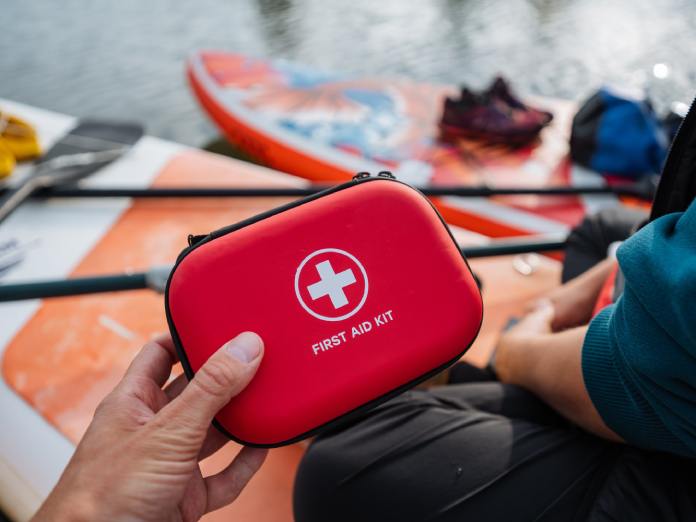
Every vessel should carry a well-stocked, waterproof first aid kit. A well-stocked kit goes beyond a few adhesive bandages. Include bandages, sterile gauze, antiseptic wipes, gloves, tweezers, a CPR mask, and a thermal blanket. Prescription medications for regular passengers should also be stored safely and clearly labeled. Local river conditions can include slippery docks and hidden debris, which increase the risk of cuts and falls.
Take a Boating-Focused First Aid Course
CPR and first aid classes tailored to boating scenarios offer valuable hands-on experience. Many marinas and community organizations in the Pittsburgh area host seasonal safety courses. Hands-on practice builds muscle memory that matters during high-stress situations. Confidence in your response can keep a manageable injury from becoming life-threatening.
Know How To Communicate in an Emergency
Clear communication saves time when minutes count. Cell service can be unreliable in certain stretches of river. VHF marine radios provide a more dependable way to contact nearby vessels or emergency responders. In a crisis, accurate language reduces confusion. Even basic terminology helps responders understand your location and situation. Remember that understanding common boating lingo can help you convey emergency information quickly and across the appropriate channels.
Keep Your Boat’s Systems Reliable
Mechanical reliability plays a role in medical preparedness. Dead batteries or faulty wiring can disable communication equipment and navigation lights. Regular inspections of your boat’s electrical system help prevent avoidable breakdowns. Spare batteries and properly maintained power systems ensure radios, lights, and bilge pumps work when needed most. Lighting and communication tools can be critical when an emergency extends into the evening hours.
Stay Ready on the Three Rivers
Boating around Pittsburgh should be enjoyable, not stressful. Preparation reduces panic and keeps small problems from escalating. Thoughtful planning, proper equipment, and basic medical knowledge form a strong safety foundation. Make safety discussions part of every trip before leaving the dock. Boaters who take time to prepare for medical emergencies while boating can focus on enjoying the water with greater peace of mind.


